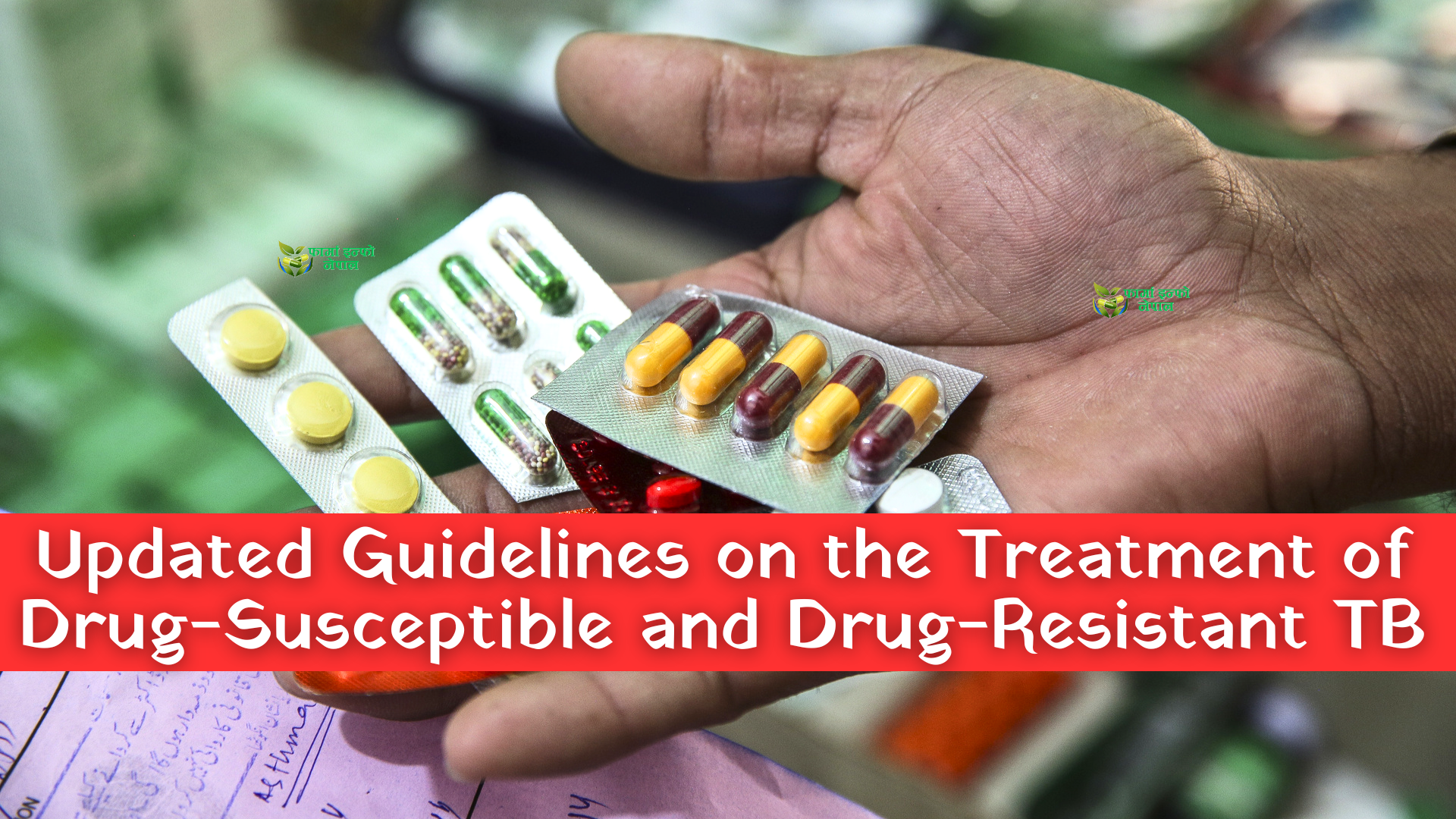
Updated Guidelines on the Treatment of Drug-Susceptible and Drug-Resistant TB
Updated Guidelines on the Treatment of Drug-Susceptible and Drug-Resistant TB: Key Highlights
Tuberculosis (TB) remains a major global health concern, but recent updates in treatment guidelines offer shorter, more effective regimens for both drug-susceptible and drug-resistant TB. These changes aim to improve patient adherence, reduce side effects, and streamline treatment.
Shortened Treatment for Drug-Susceptible Pulmonary TB
Adults and Adolescents (≥12 years):
The standard six-month treatment can now be reduced to four months. The recommended regimen is:
- 2 months: Isoniazid (H) + Rifapentine (P) + Pyrazinamide (Z) + Moxifloxacin (M)
- 2 months: Isoniazid (H) + Rifapentine (P) + Moxifloxacin (M)
This 2HPZM/2HPM regimen is safe and effective for patients aged 12 years and older, ensuring faster recovery while maintaining high cure rates.
Children with Non-Severe TB (3 months–16 years):
For children, non-severe pulmonary TB can also be treated in four months instead of six. The recommended regimen is:
- 2 months: Isoniazid (H) + Rifampin (R) + Pyrazinamide (Z) + Ethambutol (E)
- 2 months: Isoniazid (H) + Rifampin (R)
This 2HRZE/2HR regimen is tailored for children and adolescents, reducing treatment duration and improving adherence.
New All-Oral Regimens for Drug-Resistant TB
Multidrug- and rifampin-resistant TB (MDR/RR-TB) previously required up to 15 months of treatment. New guidelines now recommend shorter, six-month all-oral regimens:
1. BPaLM Regimen (for fluoroquinolone-susceptible TB, ≥14 years):
- Bedaquiline (B)
- Pretomanid (P)
- Linezolid (L)
- Moxifloxacin (M)
2. BPaL Regimen (for fluoroquinolone-resistant or rifampin-intolerant TB, ≥14 years):
- Bedaquiline (B)
- Pretomanid (P)
- Linezolid (L)
These regimens provide effective treatment for patients with rifampin-resistant TB and those with rifampin intolerance, offering shorter therapy duration and improved tolerability.
Important Considerations
These guidelines are designed for low-incidence settings where advanced diagnostic tools are available, including:
- Mycobacterial cultures
- Molecular and phenotypic drug susceptibility testing
- Radiographic studies
Directly Observed Therapy (DOT) and integrated case management remain critical components of TB care to ensure adherence and successful treatment outcomes.
The updated TB treatment guidelines mark a significant step forward in global TB management, offering shorter, safer, and more effective treatment options for both drug-susceptible and drug-resistant TB. Pharmacists, clinicians, and healthcare professionals must stay updated on these regimens to provide optimal patient care.
- Tragic Loss: Diethylene Glycol Poisoning in Children from Contaminated Cough Syrups
- List of ICH Guidelines